
Women Can’t Do Everything

I can’t do everything.

This has been one of the hardest and most valuable lessons for me to learn.

Let me explain.

Growing Up

I had some rockstar women to look up to. They seemed to be able to do everything!

For example, for as long as I can remember, my own mom has balanced raising 5 kids, working part-time as a nurse, making fitness a priority and exercise a hobby, helping neighbors, fulfilling callings at church, serving frequently in the temple, prioritizing date nights with my dad, and even honing her excellent cooking skills.

Holy smokes! She’s superwoman.
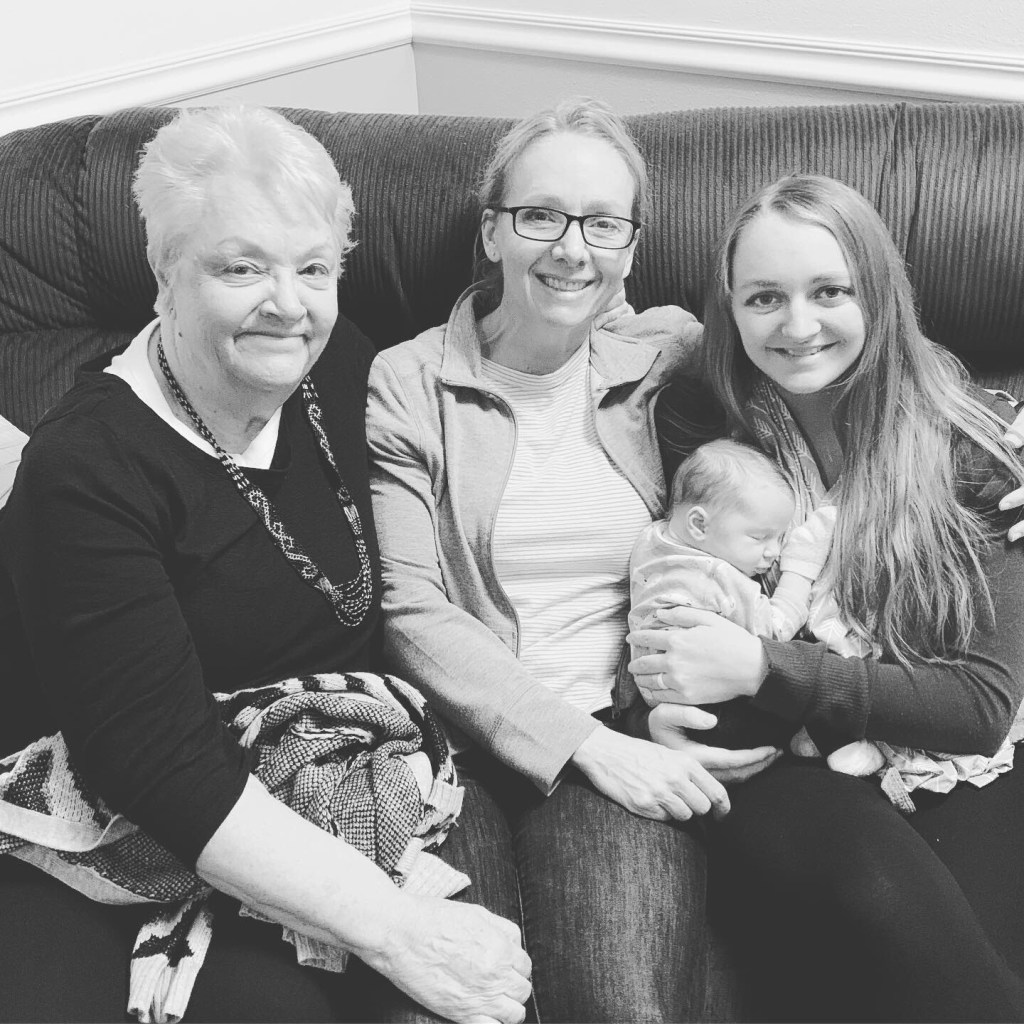
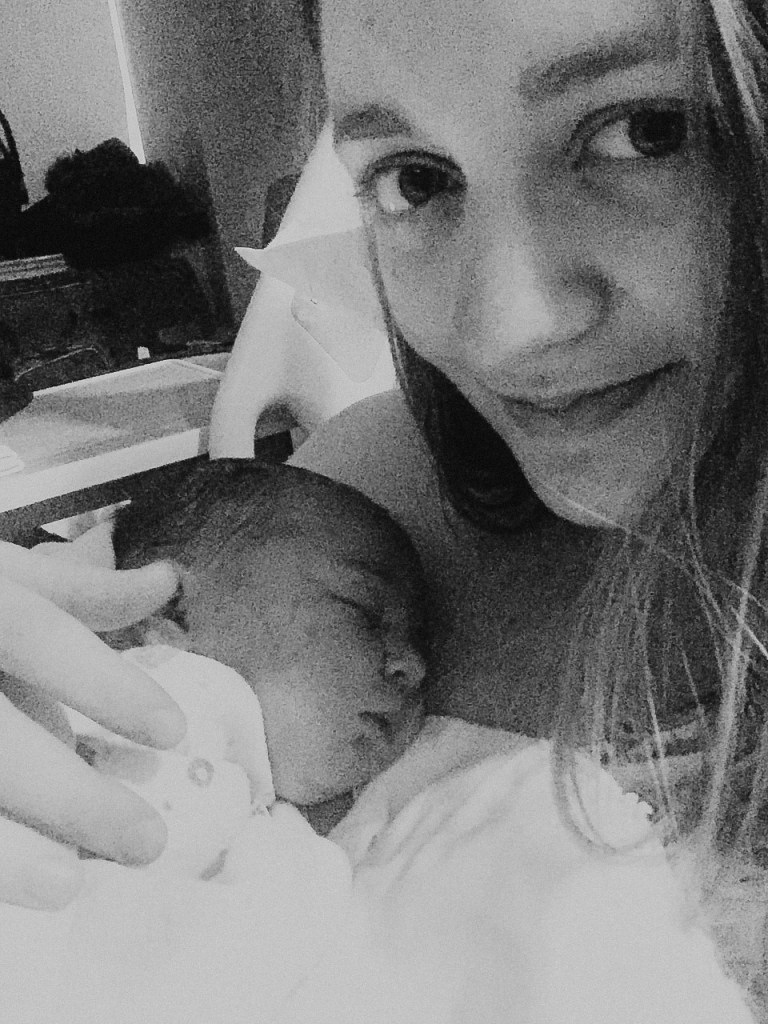
4-generation pic of my baby, me, my mom, and my grandma

They didn’t just set good examples; my parents and the other adults around me explicitly encouraged me to achieve my goals and follow my dreams. They were nothing but supportive as I dreamed of becoming a writer, then an illustrator, then a musician, then a teacher, then a writer again. I felt like I could do anything. (Of course, I knew I could never go far with sports, but I felt like I could do almost anything else!)

I knew I would succeed in college. I had had many wonderful teachers early on who believed in me and helped me focus on my successes. More than that, I had awesome parents who taught me at home to read and who pushed me to do my best in school to get good grades and really learn.

I also felt confident in my abilities to be a mother. I knew childbearing would be hard for me (I’m such a lightweight), but I had spent a lot of time nannying, babysitting, and tending my own younger siblings, so I felt like mothering was generally pretty much in the bag.

Come Spring 2019

I was just about set to graduate with my bachelor’s degree, with a near-4.0 GPA. I was working a great part-time job that wanted to take me on full-time, with great benefits! I had just gotten accepted into a graduate program.

By all outside measures, it seemed like my life was lining up perfectly for me to keep moving full speed ahead. I would be able to work in a job I enjoyed, support Matt through the end of his degree, and even afford diabetes supplies!

Taken spring 2019, right about this time.

So why did I hesitate?

I prayed and prayed about the decision to move forward. I felt loved, but heard the same thing over and over: no answer, no answer. Finally, right after graduation, I felt a small push to turn it all down.  

Very soon, I found out I was pregnant, and my life came to a crashing halt as I was practically bedridden for months. (The Truth About Pregnancy) I had to seriously cut down (again) on the things I could expect myself to do. A lot of days, taking a shower was my biggest accomplishment, and getting my husband to help me down the stairs for anything at all was an event.

As I very gradually gained a small amount of independency and ability, I reflected a lot on my previous worldview. I thought, maybe I can’t do everything. But slowly, I could start doing more things: going shopping, walking around, cleaning, working again.

But then, I was knocked down yet again after childbirth. My postpartum recovery was aggressive.

For a couple days after coming home from the hospital, I just cried in pain no matter how I lay, sat, or stood. For a couple weeks, I had frequent, sporadic anxiety attacks (and couldn’t get in to a health professional). To make matters worse, my baby had a really hard time breastfeeding and sleeping. I really wasn’t at all better until about 8 weeks later, my baby didn’t really get any sort of consistency with eating until about 6 weeks, and we only just began sleeping on a healthy schedule at about 10 weeks.

Really, I still couldn’t do anything else but try to help both of us survive. Yet for some reason, just a week or two after birth, I tried, to great cost and little success, spending any energy on getting my business up and running again!

I could see even more clearly that I could not do everything.

Now that things have calmed down significantly, I have decided to remember my list of priorities: 1) God; 2) husband; 3) baby. Everything else comes after.

As I’ve tried (imperfectly) to make each day reflect these priorities in order, I’ve seen a big difference in how I feel, as well as how much I can do in a day. God makes enough time in my day and gives me enough energy to do the most important things each day.

Is there a point to all this?

A favorite line from this most recent general conference was from Sister Joy D. Jones, Primary General President:

“Women wear many hats, but it is impossible, and unnecessary, to wear them all at once.”

I had been saying the same thing for awhile, except I said:

Women can’t do everything—but we can do anything.

Let me be clear: I do believe women can have awesome careers, do a great job serving in the Church, be wonderful mothers and wives, hold public office, break records, and do pretty much anything.

But no one woman—or man, for that matter—needs to do all these things, and certainly not all at once. But we can do anything—any good thing that God asks us to do.

That’s how my husband and I have a family motto: “I can do anything good!” It is derived from this inspirational video:

Being brave

“The Spirit helps us determine which work to focus on today.”

Joy D. Jones, April 2020

I believe God will teach us what we must do “today,” whether that means literally the 24-hour period of today, or any other current period: this week, this year, during college, for retirement, or for our whole lives.

I have faith in an eternity when I can really do everything, or at least every good thing. For now, I’m learning to be content with the few things I can do at this point in my life.

So let’s stop telling women that they can do everything. I believe that female empowerment has gone too far, going from encouraging women to do anything to pressuring women to do everything. This is only going to chase our happiness out of reach, give us unrealistic expectations for ourselves, and ultimately oppress from within.

I think it best that we seek to abide by the advice the Lord gave to Emma Smith:

“… lay aside the things of this world, and seek for the things of better.”

Doctrine and Covenants 25:10

The truth is, some things are not worth our time today or perhaps ever in this life. And some things critically require our time right now.

Be brave enough to accept that you can’t do everything. Be patient with yourself when you find you fall short. More than anything, trust in God that He will help you identify and do the most important things. I know that His grace will make up for your insufficiency, as it has mine.
Additional study:

Good, Better, Best, Elder Dallin H. Oaks, October 2007

Do you agree?

As others encourage you, have you also felt expectation overwhelm? Have you learned, as I have, to give up some endeavors for the most important things? What were they, and how?

COVID-19 and Anxiety: “Who Knew It Only Took a Worldwide Pandemic to Manage Your Anxiety?”

“I’m really surprised how well you’re taking all of this. Who knew it only took a worldwide pandemic to manage your anxiety?”

That’s what my husband told me over dinner on Thursday, March 12, 2020 (otherwise known as the day the world began to stop).

He was teasing, but he was also kind of right. My anxiety was unusually low for a normal day, let alone such a crazy one. And since then, it’s mostly fallen somewhere between low and normal.

I’ve been trying to understand why I, a person who is prone to intense anxiety, has had fairly optimal anxiety levels, even though much of the world is panicking, and for good reason. COVID-19 is a real threat to physical health, economic health, and even life. So why am I not so afraid?

Here are a few possible explanations (in ascending order of seriousness):

1) Not Compensating

I’ve always been anxious about being around crowds, touching, having unwashed hands, sharing germs… you get the picture. Having a newborn during the middle of an aggressive sick season has just exacerbated those anxieties.

Now that everyone else is as concerned as I already am about these things, I can let down my guard just a little bit. I only need to focus on myself; my anxiety can stop compensating for every single other person around me, too!

2) Celebrating the Good

I’m used to managing my anxiety by always having things to look forward to. So when I learned that Corona meant my husband would be doing online school for the rest of the semester, I let myself be excited! My love language is quality time, and I was happy at the prospect that he might be home more than normal.

It’s a really small bright side, compared to the real danger of COVID-19. But this is already how I have learned to cope.

3) Gaining New Perspective

“And we know that all things work together for good to them that love God, to them who are the called according to his purpose.”

Romans 8:28

I took peace in being granted eyes to see that God was taking care of us temporally. The event of Coronavirus is one of a few life events that seem to be a moment of clear reflection, as if my life is a long hike, with just a few tall ridges along the way that permit me to see just how high up and far I have come.

As poor college students, money has been one of my biggest anxiety-stimulants. I didn’t know how we were going to survive through the end of the semester! I had been worried for weeks (really since finding out I was pregnant) about how we were going to pay the lofty, looming hospital bills for our baby’s birth. Finally, about 6 weeks after she was born and about a week before Corona really struck, we miraculously got everything paid for.

That same week, we unexpectedly came into the money to pay for our housing through the end of the semester, and we learned we were going to receive a good-sized tax return.

One of those very last days of normal life before Corona, I felt like I had a huge wad of cash burning a hole in my pocket! I said, “Matt, why don’t we go pick up dinner tonight?” My wise husband said we could if I really wanted to but gently suggested we save the money for now and avoid impulse buying. I knew he was right, so we made some soup at home instead.

It was just a couple days later that I felt that God had taken me by the hand on my long hike and said “Look what I did for you!,” pointing over the ridge to see the winding path we had taken to come this far. I am grateful that sometimes, God does let me see some of what He’s done for you, and I take comfort in the reminder that I can trust Him to continue to do things for my good.

The hike my husband took me on to propose to me! This was taken just a few minutes before.
(He just had to surprise me by letting me go without makeup!)

4) Finding Peace in the Perspective I Had Long Since Gained

“My son, peace be unto thy soul; thine adversity and thine afflictions shall be but a small moment;

“And then, if thou endure it well, God shall exalt thee on high; thou shalt triumph over all thy foes.”

Doctrine and Covenants 121:7-8

I am so grateful for the perspective I have been granted from learning the Plan of Salvation and gaining an understanding of what Christ has done for me. (“Plan of Salvation“, Gospel Topics) I am confident that my life did not begin at birth, nor will it end at death. I trust that I will see my loved ones again after this life. I have faith in the Resurrection of my own soul.

Sure, Corona may really suck to get, and I definitely would miss any family member who I lost. But of all the things I fear, I do not fear death.

5) Feeling Hope for a World in Sin

“’And the glory of the Lord shall be revealed, and all flesh shall see it together’ (Isaiah 40:5). He will rule as King of Kings and reign as Lord of Lords, and every knee shall bend and every tongue shall speak in worship before Him.”

Jesus the Christ

Our world is in great sin. Historically, this has indicated that the Lord sees fit to send challenges meant to humble us and turn us to Him.

I am hopeful more that this disease leads many to humility and repentance through Christ, that they may find eternal happiness now and in the life to come. If anything, in the grand scheme of things, this might be a blessing for mankind and for my own soul.

Most of all, I am excited that this may mean we are just one step closer to the return of the Messiah, the Redeemer, the King of Kings, who will soon come to rule and make right all that is wrong. Finally, everyone will know the truth and joy that comes through Christ.

So How Are You Doing?

Do you feel like you are managing your new or longstanding anxiety in the middle of all this? What things, if anything, are helping you find peace?

The Right Time to Have Kids

I just gave birth to a sweet baby girl (thus the hiatus in blog post production—my apologies). Our little one is a blessing, but she is also my biggest challenge yet.

I never thought I would be one to get married so quickly (click to read about that story), and I had similar expectations with having my first baby. 

But here we are with our first baby, months away from our second anniversary. We’re waiting for my husband to finish his bachelor’s program and living in a tiny on-campus apartment. And frankly, we’re dirt poor.

The arrival of our sweet little one in what might be considered untimely circumstances has inspired many to ask us: “How did you decide it was time to have kids?” Most of the people who have asked this question are also young couples; many are openly considering having children and wanted to pick our brains as they are asking themselves the same question.

Well, I’ll tell you, but in order to give a proper answer, I must first address the bigger question: When is it God’s time for you to have kids? What does He say about it?

When Does God Say Is the Right Time to Have Children?

For your convenience, I have accumulated some of the most important words of divine counsel that impacted me when I asked myself this same question. I endorse these sources as recommended reading for anyone, but particularly for married couples who have not yet decided to begin trying to have children.

I do not intend to place guilt on those who are already trying unsuccessfully, thus far, to have children. 

It is essential to first remember that the “first commandment that God gave to Adam and Eve pertained to their potential for parenthood as husband and wife. [Modern prophets and apostles] declare that God’s commandment for His children to multiply and replenish the earth remains in force.” (The Family: A Proclamation to the World)

I have heard many say that people (especially women) need to achieve certain personal goals before having children. (E.g., claims that one must achieve X level of education before having children, or attitudes of superiority over a parent who went straight to full-time parenting.) That manner of thinking might indicate that you prioritize other, worldly things before family and God’s command, and that you have fallen for Satan’s lies:

Satan seeks… to discourage childbearing (especially by parents who will raise children in righteousness).

Elder Oaks, October 1993 General Conference

But wait!, you might ask, when is waiting or choosing to not have children a good idea? Surely there are times when it’s best to not have children (besides out of wedlock, of course)!

I actually discovered the best answer to this question in the Gospel Topics essay titled, “Birth Control:”

Those who are physically able have the blessing, joy, and obligation to bear children and to raise a family. This blessing should not be postponed for selfish reasons. … 

Husband and wife are encouraged to pray and counsel together as they plan their families. Issues to consider include the physical and mental health of the mother and father and their capacity to provide the basic necessities of life for their children.

Decisions about birth control and the consequences of those decisions rest solely with each married couple. Elective abortion as a method of birth control, however, is contrary to the commandments of God.

”Birth Control”, Gospel Topics

The part that stands out to me is “selfish reasons.” Ask yourself: is your reason to postpone childbearing actually a reflection of a selfish desire?

Most importantly, I wish to reiterate the words of Elder Anderson:

“When to have a child and how many children to have are private decisions to be made between a husband and wife and the Lord. These are sacred decisions—decisions that should be made with sincere prayer and acted on with great faith.”

Elder Anderson, October 2011

Ultimately, the decision is personal, between you and the Lord. It is not my job (or anyone else’s!) to say when you should have children—nor is it any of your business to know why we decided to have a baby when we did.

On that note, I’ll tell you my story! (Okay, at least a little slice of the story.)

How Did We Know It Was the Right Time to Have Kids?

For both Matt and me, it was a gradual decision. We already knew we wanted some number of children at some time. However, we also had concerns about adding to our family so soon, and we had to address each of them thoughtfully, as a couple and individually, and in prayer.

We analyzed each concern one by one, asking ourselves questions like the following:

  • What are my reasons to wait?
  • For each reason to wait, what is at its root: faith or fear? Is it a concern I have because I don’t trust God, or because I’m really trying to do what He wants?
  • Is this reason a rationalization?
  • If this reason is not rooted in fear, and it is not a rationalization, what can I do to resolve this concern? How can I begin now to remove or diminish it as a valid concern?

After answering these questions, we could then place each concern into one of the following categories:

  • Not a valid reason to wait
  • A valid reason to wait
    • If a concern fell into this category, we had to ask ourselves: can it be resolved? How can we begin now to resolve that concern?

For instance: Money

For example, money was a concern for us. We were both paying for school and working part-time. We worked hard to budget our money, but our expenses were very high, especially with diabetes costs.

How would we be able to afford a child?

This is a shot from one of our date nights about a year ago. Because money can be hard to come by, sometimes we just visit Deseret Book for a couple hours and admire the artwork and read exerpts from books we would like to own someday.

However, with prayer, study, and reflection, we decided that this concern was, for us, not a valid reason to wait.

We had already learned that money was something we could trust the Lord to figure out. We remembered that He had cared for us when we couldn’t afford a place to live for several weeks between our wedding and when we moved back to school; He had blessed us with a cheaper situation and nicer place to live than we ever could have imagined.

Of course, we knew there were things we could and should do to be financially prepared; we worked hard at our jobs to ensure maximum income, practiced self-control in our spending, and tried to put aside just a little each month into savings.

It took some time to come to this conclusion. It took even more time to come to—and accept—conclusions about other concerns we had.

Most of the concerns we had required little or nothing to be resolved, other than to acknowledge that we could move forward with faith, not fear. There were a couple things we needed to address to prepare us to have children. We gained the faith to tackle these concerns and actively prepare ourselves.

So Basically…

Draw near unto me and I will draw near unto you; seek me diligently and ye shall find me; ask, and ye shall receive; knock, and it shall be opened unto you. 

Doctrine and Covenants 88:63

I can’t tell you when to have children or how many. You can’t tell me, either!

But I feel confident in testifying that, no matter who you are, in whatever walk of life, wherever you are in readiness to have children, the most important thing is to stay close and get closer to God at all times. As you immerse yourself in His word and in prayer, He will have greater power in your life, and you will have greater ability to understand what He wishes for you and your family.

7 Tips for Successful Come, Follow Me Personal Study in 2020

Welcome to 2020! New year, new decade, new you!

This is your chance to make a fresh start on your workout and diet plans, your mental health, your grades, your business, and practically anything else about you!

In the midst of making (and hopefully beginning to keep!) all these resolutions, put this among the top of your goals: improving your Come, Follow Me study. 

I’ve heard many friends, family members, and acquaintances express the same sentiments: “I started out Come, Follow Me last year with such great intentions! I was so excited to do it! But a few months later, I realized my studies had lost vigor and petered out. By the end of the year, I felt so behind I went weeks or months without even opening it up.”

My own Come, Follow Me studies became less intentional, too. I continued to do it all year, but my studies became increasingly sporadic. I regret to say I barely wrote anything down from my personal studies, despite my intentions to record my thoughts.

This is your year

“’Come as you are,” a loving Father says to each of us, but He adds, “Don’t plan to stay as you are.’”

Elder Jeffrey R. Holland, April 2017 General Conference

Don’t spend another minute feeling guilty about a less-than-satisfactory year of Come, Follow Me! Repent now and start fresh. God will take you how you are and help you become more!

This first week, I have already found it easier to devote more time and intention to Come, Follow Me. Last year, I felt my study time was torn between studying the Book of Mormon daily (as we should) and studying the New Testament as guided by the Come, Follow MeFor Individuals and Families: New Testament 2019 manual. This year, I love getting to put all that time together for one deep, unrushed study.

I consider this year’s Come, Follow Me curriculum a blessing to all of us to fulfill both charges of study at once. I also consider it a great opportunity to learn from the Book of Mormon more deeply than ever before. 

“… I promise that as you prayerfully study the Book of Mormon every day, you will make better decisions—every day. I promise that as you ponder what you study, the windows of heaven will open, and you will receive answers to your own questions and direction for your own life. I promise that as you daily immerse yourself in the Book of Mormon, you can be immunized against the evils of the day, even the gripping plague of pornography and other mind-numbing addictions.”

President Russell M. Nelson, October 2017 General Conference

7 Ways to Improve Your Personal Come, Follow Me Study in 2020

Whether you have consistently held personal studies of the Come, Follow Me curriculum all last year or didn’t even touch it once, each of us can seek to improve our studies.

I find there is value in changing up my approaches to scripture study. There is no one perfect way to study, but there may be ways that will help you get more out of it, even if just for a day, week, month, or year. I encourage you to try one or more of these ideas and observe any changes in how you feel or what you learn.

As always, pray for the Spirit of Discernment; ask the Lord to help you choose which of these things—or what other thing(s)—you should do.

#1 – Incorporate Prayer

“Blessings require some work or effort on our part before we can obtain them. Prayer is a form of work and is an appointed means for obtaining the highest of all blessings.”

Prayer, Bible Dictionary

Among the many blessings that come from prayer, praying will enhance your scripture study experience.

Ask the Lord to help you understand what you are reading, find answers to your questions, know how to make important decisions in your life, feel His love, and/or have a greater focus and desire to learn as you read. Thank Him for the things you learn. 

If you already hold a personal prayer along with your personal scripture study, try to improve your prayer experience. For example, consider offering a vocal rather than mental prayer. This could help you focus on the words you say rather than repeating a rote prayer.

If you don’t already incorporate prayer in your Come, Follow Me studies, begin now! Begin your studies with a prayer, finish them with a prayer, or do both. You might even choose to hold a prayer in the middle of your studies!

However you do it, incorporating prayer in your personal studies (or reincorporating it in a new way) can help you focus your studies, invite the Spirit and personal revelation, and learn from the scriptures.

#2 – Use a study journal

“Knowledge carefully recorded is knowledge available in time of need. Spiritually sensitive information should be kept in a sacred place that communicates to the Lord how you treasure it.”

Elder Richard G. Scott, October 1993 General Conference

The Come, Follow Me manual frequently suggests journal-writing prompts, and many Church leaders have encouraged us to record our spiritual experiences and impressions. Writing impressions as you study shows the Lord that you are listening for revelation and want to remember it when it comes. It can also lead you to further revelation and insights.

If you don’t regularly use a study journal, set a goal to do so. Make that goal your own! My current goal is to write at least one take-away every day directly in the manual. You might choose to write in a separate journal, use the Gospel Library app to record your entries and study notes, or record your impressions another way.

If you already write in a study journal, ponder how you might improve your journal method. Pray for revelation on how you could use it better.

#3 – Scavenger hunt

Give yourself a goal for your studies. This goal might stay the same all year, or it might change day to day or week to week.

Making a “scavenger hunt” out of your studies may help you mentally engage in your studies, especially if you struggle holding your focus. If you choose, it may also be a way for you to answer any doctrine- or faith-related questions you have and/or strengthen your testimony in an area in which you don’t currently feel confident.

This might look like searching for and marking a favorite verse or line each day or week that you study. You could also choose a theme to look for or a question to try to answer every time you read.

#4 – Purchase a study book

God doesn’t require us to spend a minimum amount of money to successfully study the scriptures. However, there are many study helps available to enhance your studies. If you have the means and feel so prompted, even a small purchase could help you to feel more committed to your scripture study.

For example, I set a goal of writing in my Come, Follow Me book every day during my personal studies. To achieve this, I purchased my own personal copy of the book in Spanish. Even though it only cost a couple dollars, I have (at least in these first few days) felt committed to making that investment worth it. I’ve seen huge contrast between this and last year, when I barely touched the physical copy of the Come, Follow Me manual that was given to me for free.

A journal edition of the Book of Mormon features extra space to write impressions as you study

You may choose to purchase one or more of the following:

#5 – Switch scripture/manual/journal format

One thing that has made a big difference in maintaining and improving my studies over the years is periodically changing the format of my studies. I mean by this that, when I feel my studies are becoming rote or lacking, switching from paper to digital scriptures or notes, or vice versa, helps me reengage in my studies and benefit in new ways.

Some people would disagree with this method, believing there is just one best way to study. For example, many have strong opinions regarding digital scriptures; some condemn them, and some think they are the only way to get a deep study of the scriptures!

While there really might be a “right way” for some individuals, I believe each has its advantages. For example, for me, digital scriptures have the potential to be more distracting, but I’m more likely to click on the footnotes, search for a term, or write a note on a verse. On the other hand, my physical scriptures may be easier to focus on, but I am unlikely to search for terms or follow any cross-references.

Similarly, I’ve seen switching between a physical and digital study journal has done a lot to change my approach to my note-taking, with pros and cons to both. Either way, the act of switching refreshes my experience of journaling my impressions and helps get me out of a rut in my scripture study.

If you think your Come, Follow Me study could use a little refresh, try switching the format of your scriptures, manual, and/or journal. You can try any combination of these, too. It might look like any of the following: 

  • Physical scriptures and manual with a text document on your laptop for notes
  • Paper journal with digital scriptures and manual
  • Audio (digital) scriptures on your phone alongside your physical manual and journal
  • Some other combination

#6 – Set a goal to share what you are learning

“Oh, if I could teach you this one principle. A testimony is to be found in the bearing of it!”

Elder Boyd K. Packer, General Conference 1983

There are a number of reasons sharing what you are learning might help you. I have noticed that setting a precedent to share what I’m learning in my scripture studies helps me feel accountable to focus on finding something worth sharing.

And, of course, sharing what you learn will solidify your understanding and belief in those things. As you hear yourself say what you believe, the Spirit will bear stronger witness to you that it is true.

Prayerfully make your own goal and plan to share what you are learning in your personal Come, Follow Me studies. Here are some ways you might do this:

  • Share your thoughts in a personal blog 😉
  • Post on social media every day or week, highlighting a verse or line that stood out to you and why
  • Make a shared online document or group chat with your family members or other study partner(s) and share what you find in your personal studies – my husband and I have just begun a shared iPhone Note in which we add to a list of verses that add to our Faith in Jesus Christ, based on the recommended personal study activity in the first week’s Come, Follow Me chapter.
  • Share your testimony of what you learn from your studies in fast and testimony meeting at church
  • Prepare and commit to sharing at least one comment each Sunday School class

#7 – Pick a setting and keep a routine

Choose a consistent, daily setting for your scripture study. Try to pick a place you won’t be interrupted or distracted.

If you already do this, but you think a change of setting would help you refocus, try finding a new place, choosing a different time, or extending the amount of time you study. Commit to being in a certain place every day at the same time for your daily personal Come, Follow Me studies.

These are a few settings I have chosen with at least good success:

  • After getting ready in the morning, sitting at the kitchen table as I eat breakfast
  • At night, in bed, before reading for fun and going to sleep every night (it worked until I stopped having time for fun reading and became a morning person)
  • At a study desk at home after lunch
  • At the institute building in a general quiet study area for an hour before going to class (my personal favorite)
  • (Not really a setting, but another tip for any other crazy Type As out there: It also helps me to add “scripture study” to my list of to-dos each day in my planner!)

What else?

What other tips would you give someone else looking to start or improve their Come, Follow Me personal study? What is your plan to start or improve your Come, Follow Me study in 2020? Comment below!

How Jesus Solves All Problems

The Christmas season is a time of compassion. Religious (and even secular) groups organize countless charitable activities. Schools host clothing drives; churches lead events to feed the homeless; choirs sing carols to those in care centers.

Many of us individually get caught up in the action as well. You might have headed up or shared a special fundraiser on Facebook for a child needing an operation, volunteered at a soup kitchen, donated blood, or doorbell-ditched presents for a single-parent family.

With so many important causes to which you might contribute, you might be overwhelmed wondering where to start. Where will your time, energy, and money do the most good?

Storytime

When I graduated with my bachelor’s degree in the spring, I had all kinds of big ideas. I was practically handed a great job, at which I felt I could make a difference for children and instructors alike at the local technical college, as well as support my husband through the rest of his degree. I was accepted to a promising master’s program, motivated by the Lord’s counsel to “seek learning” out of the “best books words of wisdom” as well as the opportunity of becoming a better teacher and example for my future children. (Doctrine and Covenants 88:118)

I was sure God would help me achieve these noble goals!

To my surprise, with much prayer and fasting, I felt the Lord gently advise me not to pursue the job or grad school.

I shook off my disappointment. No matter! I told myself. This surely means I have the green light to put more time into more noble causes I’d also been dreaming of.

I was excited to pursue a couple specific prospects in teaching ESL (English as a Second Language), since I am so passionate about language, self-reliance, and helping the Spanish-speaking community. I began gearing up to launch a great YouTube channel, through which I could share my testimony of the restored gospel of Jesus Christ with the world. I was also looking into ways to put my passion for the pro-life movement into action in my area.

And then my pregnancy happened, derailing all of these goals. (The Truth About Pregnancy)

As I began to pull out of the worst of it, I had to ask myself which goal I could begin to pursue, because I knew it couldn’t be all of them. I had to decide which cause was most worthy of my time.

In my soul-searching, I came to the conclusion that I couldn’t do anything more important than share Jesus with others.  I decided that even if I had to reduce the scope of my YouTube channel for the moment, it was most important for me to prioritize launching this blog over my other passions.

Why preaching Jesus’ gospel trumps all other noble causes

Divorce. Bullying. Poverty. Lack of education. Insufficient healthcare. Racism. Abortion. Anxiety and depression. Hunger. Homelessness. Pornography.

There are so many problems in the world to solve! How can one choose between all the charitable causes available?

My claim is that the gospel of Jesus Christ is the answer to all of these.

Let me clarify: each of these problems may have a number of effective, individual solutions. However, the only universal solution is Jesus.

Therefore, I propose that, when it comes down to prioritizing your acts of service, put sharing the teachings of Jesus Christ first. It is the one surefire way to do the most good. 

In scope of Earth’s entire history and geography, too few have even heard the name of Jesus. Those who have been blessed to know the reality, mission, and teachings of Jesus Christ have been granted a great and rare gift. Even more rare is the blessing of being members of His Church today, the Church of Jesus Christ of Latter-day Saints.

If you have been blessed with any measure of the truth of Jesus Christ, you have a great responsibility to share this knowledge.

As a missionary

It’s a wonderful thing that the Church provides opportunity for its young adults to serve full-time missions. These missions are primarily focused on sharing the good news of the gospel of Jesus Christ.

Many churches and organizations host mission trips; usually, they are primarily of a humanitarian nature, seeking to fulfill physical needs. While those trips are also excellent, valuable, and meaningful, there is something powerful about the prioritization of sharing the gospel.

As a missionary, I was encouraged to spend some time each week helping in the community, but I was to spend the majority of my time teaching faith in Jesus Christ and repentance through Him.

At first, I wondered why I was asked to limit the amount of time I spent on service activities. I enjoyed serving food at soup kitchens, helping people move, painting houses, and more.

I loved Christmas as a missionary!

But something struck me. In my unique role as a missionary, I had the ability to watch people choose to accept or reject the gospel and teachings of Jesus Christ, and I also observed the results of their choices. There was a clear correlation:

The measure to which people accepted and acted on the teachings of Christ determined to what measure they were blessed.

It was incredible to watch this phenomenon! As people accepted our invitations to learn about and follow Christ, seemingly unrelated parts of their lives began to fall into place. They gained power to quit smoking, received better employment opportunities, were able to make and stick to plans, found enough money to get by, experienced more peace in their families, and did better in school.

They were empowered to do and achieve good things because the Lord sent His Spirit to be with them. They had qualified themselves for the company of the Spirit, who can inspire any good thing. The Lord wishes for our success, but too often, we limit ourselves by not allowing Him to work in and with us.

The more we accept Christ, the more we qualify ourselves to receive the good things He already wishes to grant us in any area of life.

“The Spirit of truth is of God. I am the Spirit of truth, and John bore record of me, saying: He received a fulness of truth, yea, even of all truth;

“And no man receiveth a fulness unless he keepeth his commandments.”

Doctrine and Covenants 93:26-27

Application example

To illustrate my point, let me explain how Christ is the solution to divorce, a rampant struggle for an increasing number of families.

Let us discuss those preparing for marriage, as a way Christ can prevent divorce early on. If those who are preparing to enter into marriage have accepted Christ and are trying to follow Him, they will follow His commands. Following His counsel to love selflessly, to cleave unto one’s spouse, and to always be honest are just a few examples of how following Him will set this couple up for success.

More importantly, as individuals seek to obey the Lord, they qualify themselves for the company of the Spirit, who He sends to comfort and to guide. The more time a person spends with the Spirit, the more they will receive and understand inspiration to do good and better things. This inspiration may come through scripture, prayer, personal promptings from the Spirit, and especially through some combination of the three.

In the case of one preparing for marriage, if they follow Christ, they will be guided to know whether they’ve chosen a good spouse or if they should end the relationship before marriage, how to most appropriately prepare to love and commit to the other person, and what behaviors they should avoid leading up to marriage. 

Once the couple is married, if they are both committed to following Christ, following His commandments will also give them their best chance for success, as well as grant them the promptings of the Spirit to know what other specific actions they should take to ensure the security of their marriage. A couple might be both following Christ to the best of their abilities and experiencing marital problems. But as they qualify themselves for the Spirit, and listen to His promptings, they will understand what else they may need to do, including attending marriage therapy together, visiting a financial advisor, talking with their bishop, or just taking a dance class together.

I challenge you to ponder how else Christ is the solution for people in a number of other divorce situations: a man who wishes to follow Christ but his wife wants nothing to do with the marriage or Christ; a child of parents who are divorced; a woman whose husband has cheated on her; etc.

While some individuals may be rightly inspired to take specific action to combat divorce (i.e., become marriage therapists, begin a social media campaign promoting marital health, or donating to a local divorced single parent in need), the gospel of Jesus Christ is the single solution that can do the most good for families facing divorce.

Choosing how to serve

I want to be clear: we mustn’t only share the gospel of Jesus Christ. For truly:

“Pure religion and undefiled before God and the Father is this, To visit the fatherless and widows in their affliction, and to keep himself unspotted from the world.”

James 1:27

We are to act charitably and serve those around us, especially those less fortunate. But if we prioritize being like Christ, knowing His will, and sharing His gospel, we can do the most good. As we do so, we will receive our own increased measure of the Spirit and be inspired to know where we might do the most good.

It is good and honorable to choose an inspired area of charity to devote time and energy to. The Lord has said we “should be anxiously engaged in a good cause, and do many things of [our] own free will, and bring to pass much righteousness.” (Doctrine and Covenants 58:27) Some have specific callings to help children, the elderly, or the homeless. Others may feel inspired to devote their life to improving healthcare or politics. That’s great! 

Including sharing the gospel in your plan to serve will improve the effectiveness of any other cause you take up as well as do the most good for individuals and the world.

But if you must choose between one or the other, choose to share the gospel. 

As we do our part to share the good news of Christ this Christmas and all year, society as a whole will qualify to have the blessings of heaven come upon them more abundantly. Truly we can be as Nephi foresaw:

“And it came to pass that I, Nephi, beheld the power of the Lamb of God, that it descended upon the saints of the church of the Lamb, and upon the covenant people of the Lord, who were scattered upon all the face of the earth; and they were armed with righteousness and with the power of God in great glory.”

1 Nephi 14:14

What do you think?

What other problems do the world face that can be solved by sharing the gospel of Jesus Christ? How? Have you felt a personal calling to a cause? How can sharing Jesus’ gospel help your cause?

Heaven and Health: A Dietary Journey

“We ordered five Little Caesar’s pizzas for you guys, and we need you to help us finish all of it! Two slices for you?” 

Somewhat apologetically but firmly, I respond, “No, thank you, I’ll pass. I brought my own snacks.” 

I wasn’t always so confident. My health journey has taken me a long way, and it continues today.

High school: roots

I think it all started when I had food poisoning from chicken twice in one week in high school (a pretty funny story for another day.) Then it happened a few more times before I left on my mission.

Mission: Going meatless?

I was enchanted with my mission, the people, Texas, the Spanish language, and Latino culture. However, I learned to resent the food situation.

While I recognized good flavor and appreciated the love and service of those we visited, I left practically every dinner appointment feeling terribly ill. Between the oiliness, spiciness, and mere quantity of food, every day became painful.

Finally, toward the end of my mission, my stomach pains worsened and began to noticeably affect my work. I contacted my mission nurse. After a consultation, she suggested I go off meat for a couple weeks and see if it helped.

I felt awful when I told the members. I could see the concern in their eyes when I told them I needed to avoid meat. They were Hispanics living in Texas, two very meat-centric cultures; I knew most of them didn’t know what they could make for the missionaries without meat!

Oddly enough, eating vegetarian helped. Even though there were occasions when I couldn’t avoid meat entirely, having the ability to tell those around me that I medically needed to cut back on meat gave me the power to come closer to giving my body what it needed.

Overall, avoiding meat as much as possible helped me feel more normal and complete my missionary work.

Home: Worth the… weight?

Coming home was a tough part of my health journey. I finally had control of what I ate all the time, but I was still suffering from a year and a half of bad eating.

One of the hardest things was trying to fit into any clothes, especially pants. I knew I had gained quite a bit of weight on my mission, but I had pretty successfully pushed weight concerns aside for eighteen months.

But when I tried pulling my old pants on and they barely made it over my knees, it started to hit me that I had lost my body. No matter, I tried to tell myself, I’ll just wear my biggest and stretchiest pants. When those were also a no-go, I finally broke down and cried. 

My sweet mother jumped to the rescue and bought me two new pairs of jeans that fit. With somewhat renewed confidence, I resumed college on Monday. 

I reveled in the new control over my diet, but I still felt sick quite often and so uncomfortable with my body.

Coming to my rescue again, my mom got me in for an initial evaluation and consultation with her personal trainer. After taking a lot of measurements, he prescribed a personalized macros diet to me and a few workout routines to alternate between.

The diet required quite a bit of protein, but I could mostly get by with Greek yogurt, eggs, protein powder, and protein bars (when I could afford them). 

Overall, I felt pretty good on this diet!! I could eat a lot of fruits and vegetables, and I avoided most fatty foods. I loved having smaller, more frequent meals; I’d always preferred having small meals and snacking throughout the day.

Between the diet and exercise, I lost about 75% of the weight I’d gained on my mission, and I think the rest of the fat I replaced with muscle.

Three months after returning home, I felt confident in jeans, and was nearly a pre-mission pant size. (This was my Sam Sparks Halloween costume, taken the night I first talked to my husband!)

Although it helped for a time, going vegetarian and tracking my macros wasn’t a perfect, forever answer.

After just two or three months, I identified that eating so many protein bars and shakes became tough on my body, so I let them go. (It was also beyond my poor college student budget.) I gradually stopped tracking my macros, started eating a little meat, and began to deviate to other workout routines.

The last straw: Learning to say no

When I got in to see a doctor, what I had already guessed was confirmed: I had IBS (irritable bowel syndrome). I know, it sounds like a bad joke. The best solution is to just avoid foods that upset my stomach. 

This was just the final straw in committing to doing what I needed to do: 

Say no to food my body doesn’t want.

I learned to take control of my health. I learned to trust what my body wants and especially what it doesn’t. I learned to take note of foods that didn’t sit well with me, find patterns, and avoid common ingredients. 

Now, I’m sure a lot of people think of me as just a very picky eater. I won’t eat anything too cheesy, too meaty, too fried, or too oily. I’ll stop eating something if I detect that it’s not making my body happy. That has even meant turning down food that were once favorites. (It’s nothing personal, Chick-fil-a.) But the happiness I’ve gained by treating my body well is worth much more than the pain of poisoning myself.

Heaven and health: Godly guidance

What? know ye not that your body is the temple of the Holy Ghost which is in you, which ye have of God, and ye are not your own?

1 Corinthians 6:19

I’ve tried to involve the Lord in my health journey, too. I was inspired to do this:

Read the Word of Wisdom and pray about how to include it in your life. 

He created you in His image. Your body is a precious gift. The Lord is concerned about your health and wants you to treat your body with respect. 

Back when I decided to avoid meat, I read the Word of Wisdom, and I felt that it was something the Lord was pleased with. Now, rather than avoid meat entirely, I feel that the Lord wants me to instead focus on eating fresh foods like whole grains, fruits, and vegetables.

Most members of the Church are pretty good at following the most restrictive parts in the Word of Wisdom. As identified in Doctrine & Covenants 89 and clarified in For the Strength of Youth, members are to avoid coffee, tea, alcohol, smoking, and other illegal and addictive drugs.

However, I think we could collectively do more to follow the counsel to: “eat nutritious food, exercise regularly, and get enough sleep. Practice balance and moderation in all aspects of your physical health. Also, avoid extremes in diet…” For the Strength of Youth, “Physical and Emotional Health”

I’m still learning how to do this. (Pregnancy has made my health a new beast to conquer every other month.) But I know the Lord is eager to help us achieve health in every situation and stage of life.

My new favorite kind of pizza (if that’s what you can call it!). Pro tip: a quick trip to Israel might do wonders for resetting your palette and healing your gut! It did for me!

I invite you to evaluate your health. As you do so, pray for the Lord to advise you. Seek guidance in Doctrine & Covenants 89 and For the Strength of Youth, “Physical and Emotional Health”.

You might be guided to a specific diet, such as vegetarianism, veganism, or paleoism. You might be asked to include a specific food into your diet, such as grains or fruits, or to exclude a specific food from your diet. Or you might feel guided to a general practice of moderation in your diet.

I’m confident that, whatever direction to which He leads you, if you ask Him, God will grant you power to take control of your health and ability to listen to your body. I testify that these promises are true:

“When you are obedient to this law, you remain free from harmful addictions and have control over your life. You gain the blessings of a healthy body, an alert mind, and the guidance of the Holy Ghost. You will be prepared to serve the Lord.”

For the Strength of Youth, “Physical and Emotional Health”

What do you think?

How have you felt the Lord lead you to health? How do you think the Lord wants you to eat and treat your body?

Ministering Despite Anxiety: How to Start Ministering

Elder Holland: “Be With and Strengthen Them” April 2018

Getting a new ministering assignment can be daunting. Plus, the whole idea of ministering might still be intimidating to you (even a year and a half after hearing about the Church’s shift from home and visiting teaching to ministering, announced April 2018).

As a person with social anxiety, I’ve been there!

Storytime

When I saw my new ministering assignment on my Member Tools app, I was deflated.

I’d only been in the ward for a little under six months, and my assignment had already changed entirely. It seemed I had barely gotten to know either of the ladies I had been assigned to or my companion, and now I had three new assignments and a new companion. I had met my new companion once or twice, but I didn’t know any of the sisters to whom we were assigned.

Basic, awful questions occupied my mind for days: What if they don’t like me? What if they’d just be better off living their lives without me wasting their time? What if I invite them out for ice cream and find out they’re allergic to dairy? What if they’re huggers!?

I prayed to know how to serve these ladies. I hoped to receive some specific advice, to be told exactly what they needed right then.

Instead, I distinctly felt the Lord tell me this important counsel:

“Just do something.”

So I did! Thanks to the help of an involved, inspired ministering companion, I didn’t have to go by myself to meet the first of those gals. We just set up a time to sit down with her for a half hour and talk. It was a little awkward for the first few minutes, but I quickly found out we had several things in common. That meeting gave me more confidence to meet with the others by myself when scheduling a meeting three ways became difficult.

When deciding how to meet with the second sister, I decided to take her out to lunch with a gift card I had hanging around. I quickly discovered that she was really cool and easy to talk to!

The third sister was difficult to make and keep contact with, but I was blessed enough to catch her at home, meet her and her cute family, and drop off a treat. Even though she was still very hard to contact, she seemed genuinely grateful for the thought and the gift.

After I had finally met each of these sisters, I prayed again to know what to do for them. Again, I just felt: “Just do something!”

So I did! Over the next many months, with one or more of them, and with and without my companion, I went to a hot springs, got frozen yogurt, helped with a school service project, went for walks, gave rides, sat together at church, personally delivered handouts from Relief Society when they weren’t there, held a game night, texted on birthdays, and hosted a family home evening and cookout. And, of course, I prayed for them and their circumstances.

I don’t think any of this was really a big deal. Many of these things I was already doing; I just tried to remember to involve these sisters in my life.

But what was a big deal is that they became my friends. They gave me somebody to sit by at church events in a ward where I felt alone, invited me to their activities, helped me get ready for baby, and became my support. In fact, one sister was one of the only people in my life who took care of me when I was practically bedridden for months during pregnancy.

Of course, I’ve felt God’s approval and blessing as I’ve served, but most of it didn’t really feel like serving.

Get to the point

I like to say: ministering is assigned friendship. I’m certain that, in part, it is there for folks like me who stress over knowing how to love and help others. It’s that little kick in the pants that says, “just do something for someone!”

Photo by Anna Vander Stel on Unsplash

I have grown in confidence as I’ve learned to trust that God gives me my ministering assignments for a “wise purpose in Him.” (1 Nephi 9:5) It may be easy to think this means we have something special to offer these people we are assigned to, but just as much or even more, I feel that they have something special to offer us. 

I am so not the perfect ministering sister, and I apologize to those to whom I’ve been assigned and failed to serve well. But I’m trying, I’m learning, and I know that, despite my imperfect actions, the Lord has blessed me for it.

A step further

As I’ve learned how to minister better, there’s something else I’m learning and so imperfectly trying to begin to act upon:

We shouldn’t need an assignment to minister.

We have already been called to do just that to everybody.

All who have been baptized by proper authority have been commanded to:

“…bear one another’s burdens, that they may be light;

“…mourn with those that mourn; yea, and comfort those that stand in need of comfort”

Mosiah 18:9-10

Indeed, Christians everywhere are charged:

“…love one another; as I have loved you…

“By this shall all men know that ye are my disciples.”

John 13:34-35

I see ministering as a merciful chance to narrow the scope. Of course, we should still attempt to love and bear the burdens of everyone around us, but that can be so very daunting! I’m grateful that God has given us a place to start. He knows how limited we are, so He gives us just a little to start working out our weak little charity muscles.

I second the testimony of Brett Hamblin, as shared by Elder Holland: “The Church provides us a structured way to live the second commandment better—to love, serve, and develop relationships with our brothers and sisters that help us move closer to God.” (Be With and Strengthen Them, 2018)

What to do

If you’re like me, you might feel really awkward getting started ministering.

Maybe it’s been months since you’ve received your ministering assignment, and it feels like your socially-acceptable window of time to reach out has completely passed. Or maybe you’ve visited those you were assigned to once and don’t know what else to do. Perhaps it seems like those to whom you are assigned have everything under control and don’t need or want your help. Or you might be coming to the dreaded conclusion that your companion will never get back to you and that you’re going to have to do the ministering thing by yourself.

May I just say:

Just do something!

Start now. Don’t worry about it being the wrong thing. God will bless your efforts. Involve Him in those efforts, but remember that He trusts you.

“For behold, it is not meet that I should command in all things; for he that is compelled in all things, the same is a slothful and not a wise servant; wherefore he receiveth no reward.

“Verily I say, men should be anxiously engaged in a good cause, and do many things of their own free will, and bring to pass much righteousness;

“For the power is in them, wherein they are agents unto themselves. And inasmuch as men do good they shall in nowise lose their reward.”

Doctrine and Covenants 58:26 – 28

What do you think?

Do you have experiences with “just doing something” as you’ve ministered? How has ministering blessed you? How will you get started ministering?

Abortion: God’s Word Cuts Through the Fog

A guide for any open-minded person who wishes to let the Lord frame their opinion of abortion.

I have much I would like to say personally about abortion. I could also find numerous sources to support my (and, really, any) opinion, or I could heavily research current and historical legal action regarding abortion. For this post, however, I would like to focus primarily on what the Lord has revealed to us regarding abortion.

These days, it seems everybody has an opinion about abortion. A few lie on the extreme “prolife” end of the spectrum, urging that abortion be unthinkable and illegal in every case everywhere, and a few on the extreme “prochoice” end, pushing the social and legal acceptance of abortion through the entire nine months of pregnancy for any reason. Most find themselves somewhere in the middle, and many are simply unsure.

Regardless of where you lie in the philosophical spectrum, I hope you will join me in humbly taking counsel from the Lord as much as possible on this subject. 

I hope and pray that you read on with an open mind, whatever your opinion of abortion. My personal opinion regarding abortion has shifted slowly as I’ve really looked for and tried to understand what God says about it, and I believe the same can happen for you.

I am incredibly grateful to have so much of God’s word at the tap of a finger or click of a mouse. At our disposal we have the Bible, Book of Mormon, Doctrine and Covenants, Pearl of Great Price, and teachings of modern and living prophets and apostles—not to mention personal revelation through prayer and the Holy Spirit. We are so blessed! We needn’t suffer through the ambiguity of wading through the philosophies of men.

Counsel from the scriptures

I could have listed dozens of scriptures, but I tried to choose those most directly applicable to abortion:

“If men… hurt a woman with child, so that her fruit depart from her, and yet no *mischief follow: he shall be surely punished”

Exodus 21:22 (*footnote clarifies: “OR other harm.”)

“…therefore choose life, that both thou and thy seed may live”

Deuteronomy 30:19

“What? know ye not that your body is the temple of the Holy Ghost which is in you, which ye have of God, and ye are not your own?”

1 Corinthians 3:19

“… the blood of the innocent shall stand as a witness against them, yea, and cry mightily against them at the last day.”

Alma 14:11

“Thou shalt not… kill, nor do anything like unto it.”

Doctrine and Covenants 59:6

Counsel from modern prophets

A number of modern prophets and apostles have addressed the topic of abortion, but a few general conference talks seemed to most explicitly discuss the issue. I highly recommend perusal of each of these sources, but please at least review the citations listed below.

Please note that two of these talks are from our current prophet of the Lord, President Russell M. Nelson. If you have not yet, I implore you to pray to ask God for a personal confirmation of President Nelson’s authority as the Lord’s mouthpiece on the earth. (I must also add that he also acts as an advanced medical authority as well, something relevant in such a medically-involved topic as abortion.)

“a new war… annually claims more casualties than the total number of fatalities from all the wars of [the United States of America].

“It is a war on the defenseless—and the voiceless. It is a war on the unborn… 

“Now, as a servant of the Lord, I dutifully warn those who advocate and practice abortion that they incur the wrath of Almighty God…”

President Nelson, “Reverence for Life”, April 1985

“A woman’s choice for her own body does not include the right to deprive her baby of life—and a lifetime of choices that her child would make.

“As Latter-day Saints, we should stand up for choice—the right choice—not simply for choice as a method.”

President Nelson, “Abortion: An Assault on the Defenseless”, October 2008

“We decry abortions and ask our people to refrain from this serious transgression.”

President Kimball, “The Time to Labor Is Now”, October 1975

Official Church statements

At this point, I feel it is safe to say that abortion does not please the Lord.

But what of the many factors surrounding abortion, including rape, incest, disability, health, life of the mother, socioeconomic outlook, and more? What does this mean for the legality of the practice?

I feel this is where ambiguity arises, especially among members of the Church.

For this reason, I think the most straightforward and helpful resources in understanding the application of God’s word regarding abortion are the following Gospel Topics essay titled “Abortion” along with the section about abortion in Handbook 2 (the official Church leadership guide), to which the essay strongly refers, nearly quoting verbatim.

We can trust both sources as accumulations of doctrine presented and approved by modern prophets, apostles, and others called by God with authority. At least until revealed otherwise, the following is considered Church policy and truth for its members:

Human life is a sacred gift from God. Elective abortion for personal or social convenience is contrary to the will and the commandments of God. Church members who submit to, perform, encourage, pay for, or arrange for such abortions may lose their membership in the Church.

In today’s society, abortion has become a common practice, defended by deceptive arguments. Latter-day prophets have denounced abortion, referring to the Lord’s declaration, “Thou shalt not … kill, nor do anything like unto it” (Doctrine and Covenants 59:6). Their counsel on the matter is clear: Members of The Church of Jesus Christ of Latter-day Saints must not submit to, perform, encourage, pay for, or arrange for an abortion. Church members who encourage an abortion in any way may be subject to Church discipline.

Church leaders have said that some exceptional circumstances may justify an abortion, such as when pregnancy is the result of incest or rape, when the life or health of the mother is judged by competent medical authority to be in serious jeopardy, or when the fetus is known by competent medical authority to have severe defects that will not allow the baby to survive beyond birth. But even these circumstances do not automatically justify an abortion. Those who face such circumstances should consider abortion only after consulting with their local Church leaders and receiving a confirmation through earnest prayer.

When a child is conceived out of wedlock, the best option is for the mother and father of the child to marry and work toward establishing an eternal family relationship. If a successful marriage is unlikely, they should place the child for adoption, preferably through LDS Family Services.

Gospel Topics, “Abortion” (emphasis added)

There may be things about this statement that conflict with your current views, whatever they are. You might be skeptical or just unsure about their truth or relevance.

As always, I invite you to do your own research. Look for truth everywhere you can; churchofjesuschrist.org is a great place to start. Branch out to other sources that present facts, data, and stories about abortion. Most importantly, ask God in personal prayer before, during, and after your research for the spirit of discernment so He might give you eyes to see what is true and what is not, as well as how to act on what He teaches you.

A Brief Personal Note

I will add a brief overview of my opinion, as well as my testimony.

Life is sacred. God’s plan is perfect and real. We lived with Him before, and He sent us here to allow us to become like Him and live in families. “Children are entitled to birth” (The Family: A Proclamation to the World), and we do not have the authority to take that away from them.

In almost every case, I believe that unlikely candidates for parenthood (including those who have conceived under less-than-ideal or even unrighteous circumstances) will only become better as they become more like God in the best way possible: accepting their foreordained role as mother or father.

We need our children, and they need us. I feel a personal calling to defend those too young to speak for themselves.

I do not know when the spirit enters the body in the womb. I do know I could see my little one twisting and wiggling on both 2D and 3D ultrasounds at 11 weeks (first trimester), and then the ultrasounds at 20 weeks (halfway through pregnancy) showed even more of her clearly human body, active and curious. Now, I feel her every day, playing, pushing, and punching away at my insides (making me need to pee all the time!).

I believe God wants us to value preborn life as early as possible, as soon as possible.

3D ultrasound at 11 weeks
2D ultrasound at 11 weeks

What do you think?

What do you believe about abortion? Why? What doctrine or discourse has most influenced your opinion of abortion?

Getting Married Young and Fast: A Word from Someone Who Did Both

I never wanted to marry young or fast. I was unsure I could ever find a guy who met my standards and would really want to commit to me anyway. I wanted to get married, but I imagined it happening when I was in my mid- or late-twenties, after dating for a long while.

Then, I got married at 21, less than a year after returning from my mission, to some guy I met in that less-than-a year.

Yep, I’m that person.

I know I’m not an extreme case; there are definitely many others who have married younger and faster than I. But I still think I can count myself a member of the married-young-and-fast club.

As someone who has done it, would I recommend marrying young and fast to anyone else?

More importantly, is it something that would please God?

To answer these questions, let me explain a little more of my experience, as well as the results of a little retrospective research.

Yuck; the romantic part

The last Thursday in August, I came home from my mission—heartbroken and wishing I could go back. Instead, I only half unpacked my suitcases, moved away to college on Sunday, and started school on Monday.

Matt was in my country swing dance class. It took a couple months in the class to really talk, but we became fast friends. He asked me out a couple weeks after we became friends, and then we officially started dating about two weeks after that.

Our first picture together

I think it’s important to say that it didn’t feel like a sign from heaven when he asked me to go on a date or when he asked me to be his girlfriend. Don’t get me wrong, it was flattering and nice. I was even grateful and considered it a blessing. But the Spirit never said to me, this is your soulmate! Don’t let him go! 

I wasn’t certain the first date would be the best one ever. I wasn’t certain that things would work out when I agreed to start dating exclusively. But I was confident Matt was a good man who would treat me well and who prioritized God in his life, so I was willing to give it a try.

We spent a lot of time together. It was easy to do so; we lived in the same complex, attended the same church building in the same stake, and were assigned as dance partners in our dance class. Soon, we started carpooling to the store and to the temple every week, doing homework together most every day, attending institute together, and, yes, going on dates.

Mostly, we just talked. We talked about simple things, things that were important to us, things we learned in church and institute, things we were concerned about or unsure of.

Although I thought it was wonderful, I don’t think many would call it the most romantic courtship. We didn’t even kiss until we had been officially dating for almost a month! (Of course, it was long distance over most of that time, during Christmas break. But when they found this out, my family thought I just had a “fake boyfriend.”)

God didn’t send me any lightning, but He didn’t have to. I just knew Matt was good and I could handle the things about him that were, well, imperfect.

After a couple short months of dating, we started getting serious. I asked Matt about his intentions. He said he didn’t see himself ever dating anyone else, but that he had previously decided to date someone for a full year before getting married.

I was quick to remind him that we had officially started dating at the very beginning of December, and then informed him that I was not getting married in the winter or the middle of the school year. If he wanted to stick to this goal, he would have to marry me after over 18 months of dating.

About a month later, we were engaged.

Total dating time: about 3 months.

The day we got engaged

We hoped to get married in August, but due to family conflicts, the latest we could push the date was June. So we had a lovely June wedding.

Total engagement time: about 3 months.

I had known this guy a grand total of about 7 months.

In retrospect, would I recommend this to my younger self or to anyone else?

“Be not afraid; only believe.”

Mark 5:36

A year and a half later, I have no regrets. I love, love being married, and I love, love my husband.

I am grateful to have not waited another minute to get married. There certainly were many obstacles leading up to the wedding, and we certainly have experienced many more challenges since then. But the blessings have been worth ten times more than all that combined.

I have a testimony that God loves marriage and has set it as a pattern for our own happiness and benefit. 

The best advice I would tell my younger self and any other single person is this: Do not fear getting married young or fast.

Of course, there is no need to rush any relationship, either! I think, though, getting married too quickly or too young is less likely than putting off marriage when it may be right. Once you have decided you have found a person whom you love and trust enough to spend forever with and have received heavenly confirmation that he or she is a good choice, there is no reason to wait!

I should take a moment to acknowledge how God feels about those who desire marriage but are not married (and may be tempted to rush into marriage after settling on a less-than-satisfactory spouse):

Some who are not married, through no fault of their own, ask whether they will always be denied the highest degree of glory in [the Celestial Kingdom]. I am confident that under the plan of a loving Father and a divine Redeemer, no blessing of which you are otherwise worthy will forever be denied you.

Gordon B. Hinckley, 1991

How does God feel about His children getting married young and fast?

First, we must understand that God wishes all His children to receive the blessing and ordinance of eternal marriage.

“… marriage between a man and a woman is ordained of God and that the family is central to the Creator’s plan for the eternal destiny of His children.”

The Family: A Proclamation to the World

I think we can learn much about how God feels about getting married young and fast from the guidelines in the Dating section of the For the Strength of Youth pamphlet. Just from these few paragraphs, it is clear that the Lord encourages dating, prioritizes the goal of marriage, and desires the spiritual and physical safety of all His children as they date and marry.

The Lord teaches youth when and how to appropriately begin dating:

You should not date until you are at least 16 years old. When you begin dating, go with one or more additional couples. Avoid going on frequent dates with the same person. Developing serious relationships too early in life can limit the number of other people you meet and can perhaps lead to immorality. Invite your parents to become acquainted with those you date.

I am confident that abiding by these early dating standards will naturally and appropriately pace relationships and prevent rushing into marriage.

The last paragraph further reveals God’s purpose for dating and marriage and outlines later dating standards:

As you enter your adult years, make dating and marriage a high priority. Seek a companion who is worthy to go to the temple to be sealed to you for time and all eternity. Marrying in the temple and creating an eternal family are essential in God’s plan of happiness.

This excerpt from (and entirety of) Elder Holland’s discourse in a 2015 CES (Church Education System) broadcast encourages my personal conclusion on this topic:

… [youth and young adults] are fearful that the world will just get more difficult, that jobs will be too hard to find, and that one should be out of school, out of debt, have a career, and own a home before considering marriage.

Good grief! On that formula Sister Holland and I still wouldn’t be married! Seriously, when we got married we were both still undergraduates at BYU, with neither set of parents able to help us at all financially, no way to imagine all the graduate education we had yet ahead of us, and this with $300 dollars between us on our wedding day! Now that may not be the ideal way to start a marriage, but what a marriage it has been and what we would have missed if we had waited even one day longer than we did once we knew that that marriage was right. Sure, there was sacrifice; certainly there were restless days and weeks and months; certainly there was some burning of the midnight oil. But I tremble to think what we would have lost if we had taken “counsel from our fears,” as President James E. Faust would later tell me over and over and over that I and no one else should ever do. 

But above all

Ask, and it shall be given you; seek, and ye shall find; knock, and it shall be opened unto you”

Matthew 7:7

The decision of whom and when to marry is something on which you should seek personal counsel from the Lord.

“But, behold, I say unto you, that you must study it out in your mind; then you must ask me if it be right, and if it is right I will cause that your bosom shall burn within you; therefore, you shall feel that it is right.” D&C 9:8

In any relationship, there must come a point when you decide if you will pursue marriage with this person or look elsewhere. Make the decision, then ask God for confirmation, ready to act either way when He answers.

Each time I prayed to know if I should pursue this relationship, I felt peace and confirmation that Matt was a good man and would be good to and for me. It happened when we started dating, when we got serious, and when we were engaged.

I promise that God loves you and that this pattern will lead you to the greatest happiness possible.

What did I miss?

Do you think getting married young and fast is good, bad, or something in between? What advice would you give a single friend of marrying age?

Christianity: The Real Self-Love Movement

I have been intrigued by the self-love movement for years. Watching it has led me to wonder: is self-love prideful and evil? Or is it inspired and good?

What is the self-love movement?

According to theself-lovemovement.com, “Self-Love is the act of putting your own happiness & well-being first, something that is lacking within our current society.”

The self-love movement takes place largely online, but it has extended into a culture offline as well. It has become common and trendy for bloggers, social media influencers, writers, and other celebrities to promote self-love.

A whole industry is prospering to serve the demand for self-love treatment (also known as self-care). Self-love retreat organizations thrive on providing people (especially women) personal vacations as a way to escape the world and find themselves.

The problem

I propose that the problem the self-love movement seeks to resolve is valid and real.

I define this problem as: too many people struggle with self-identity, self-confidence, and even self-love, and women are at particular risk of insecurity.

Indeed, mental illness and loneliness are on the rise, especially among millennials and Gen Z. A quick visit to the ADA’s website confirms that 18% of adults in the US suffer from anxiety, and that anxiety affects women more than men. (Anxiety and Depression Association of America)

Doctrinally, this problem is also confirmed. Satan works tirelessly to discourage us. An Ensign article from 2009 reveals Satan’s motives and methods: “One way that Satan attempts to overcome us with [despair, discouragement, despondency, and depression] is by telling us lies about our worth and about God’s feelings toward us.” (Truths and Lies)

The Plan of Salvation (which explains where we come from, why we are here, and where we are going) reveals to us part of why we feel out of place in our physical lives and bodies. Elder Gerard of the Quorum of the Seventy seconded a quote often attributed to Pierre Teilhard de Chardin: “As the well-known axiom reminds us, ‘We are not human beings having a spiritual experience. We are spiritual beings having a human experience.’”

The world’s solution

The self-love movement has much to say about how to achieve self-love.

Courtesy of Instagram

Besides turning to social media influencers and registering for a week-long retreat in Fiji, simple Google searches for self-love tips quickly produce the following (and millions more):

  • Practice mindfulness, accept the feelings you experience, use self-talk to encourage yourself (Psychology Today)
  • Create a self-love ritual, know that your body is a loving vessel, clean out your closet, explore your spirituality (mbgmindfulness)
  • Travel once a year, love yourself by saying no to others, make a list of your accomplishments (The Law of Attraction)
  • Light some candles and enjoy some wine, take a hot shower, do some creative writing, watch YouTube videos of cute animals, take a full day (even if you have to call in sick) and just take care of yourself (The Law of Attraction)
  • Drink some water first thing in the morning, have a mini dance party, get a tomato plant, sit up straight, do some planks (Women’s Health Magazine)
  • Unplug for an hour, inhale an upbeat smell, stroke a pet (Tiny Buddha)

I am grateful for the immense information available at our fingertips. I believe, however, that loving ourselves in the ways the online self-love movement recommends will bring, at best, only fleeting peace and self-gratification, and at worst, lasting disappointment and regret.

God’s solution

God wants us to feel His love and to understand our self-worth. He teaches us how to do this in ways different and higher than the world’s. His ways don’t start with us loving ourselves, but they do lead to true self-love and a full understanding of our own self-worth.

I’ve identified 3 main ways God teaches us what the world can’t about filling our need for self-love, self-identity, and self-confidence:

1) Love God and find yourself

And thou shalt love the Lord thy God with all thy heart, and with all thy soul, and with all thy mind, and with all thy strength: this is the first commandment.

Mark 12:30

The Lord grants us commandments for our happiness. (Doctrine and Covenants 130:20-21, The Love and Laws of God) Therefore, I believe the first great commandment is the one most critical for our happiness.

We can love God more by praying to Him, studying His word, and striving to live His commandments. As we do so, we will better understand His love and even more fully accept it into our lives. Only this can truly fill the vacancy in our hearts and teach us who we truly are: beloved sons and daughters of God.

Elder Taylor of the Quorum of the Seventy confirms this claim: “Coming to know our Father changes everything, especially our hearts, as His gentle Spirit confirms our true identity and great worth in His sight. God walks with us along the covenant path as we seek Him through prayerful pleadings, scriptural searchings, and obedient strivings.” 

2) Serve your neighbor to find yourself

Thou shalt love thy neighbour as thyself.

Mark 12:31

Some Christians (particularly in the self-love movement) have claimed that, because we are to love our neighbor as we love ourselves, we cannot love and serve others until we love ourselves. They use this as justification to withhold service until the self has been served.

I disagree.

First of all, Christ also commands us to “love one another; as I have loved you, that ye also love one another.” (John 13:34) This actually raises the bar! No one has loved us more than Christ. We can only strive to one day reach this level of love. 

Photo by Anna Earl on Unsplash

But second (in case that wasn’t enough to destroy that argument for you), the Lord didn’t ask us to love our neighbors once we love ourselves. He only asked us to love our neighbors as we love ourselves. I believe these two are bound in positive correlation; as one increases, the other does as well, and vice versa. If we struggle loving others, we can rely on our “self-love” (or rather, sense of self-worth) to acknowledge them as children of God, just like us.

Likewise, when we struggle loving ourselves, we can turn outward in loving others. As we do so, we will better understand our self-worth and divine identity. Ezra Taft Benson, former president of the Church, agreed: “If you would find yourself, learn to deny yourself for the blessing of others. Forget yourself and find someone who needs your service, and you will discover the secret to the happy, fulfilled life.” (General Conference 1979)

3) Repent and come unto Christ to become your best self

Yea, come unto Christ, and be perfected in him, and deny yourself of all ungodliness; and if ye shall deny yourselves of all ungodliness, and love God with all your might, mind and strength, then is his grace sufficient for you, that by his grace ye may be perfect in Christ; and if by the grace of God ye are perfect in Christ, ye can in nowise deny the power of God.

Moroni 10:32

This is perhaps the biggest difference between the world’s version of self-love and God’s love for us. While the world flatters you that you are already enough, Christ tells us we are enough for Him to begin working on us. “’Come as you are,’ a loving Father says to each of us, but He adds, ‘Don’t plan to stay as you are.’” (Elder Jeffrey R. Holland)

The natural man (and Instagram) will insist you need no change, but sometimes, your feelings of dissatisfaction with yourself are a sign of “divine discontent.” (Sister Michelle D. Craig) There really may be things about yourself that you are not meant to love. For example, you may hold a grudge against someone, spend your time in unworthy causes, or eat very unhealthily. We are called to deny ourselves of these things.

“When we choose to repent, we choose to change! We allow the Savior to transform us into the best version of ourselves. We choose to grow spiritually and receive joy—the joy of redemption in Him. When we choose to repent, we choose to become more like Jesus Christ!” (President Russell M. Nelson)

God knows what we need to be happy, and He loves us. Christ has laid the way. He lived the most selfless life, and He is now exalted. He too wishes all blessings and happiness for us. We can gain this only by becoming more like Him.

“…increasing in holiness was the only path to happiness. He made it plain that greater holiness is made possible through the Atonement of Jesus Christ cleansing and perfecting us. Only by faith in Jesus Christ, continuing repentance, and keeping covenants are we able to claim the lasting happiness we all yearn to experience and retain.” (Elder Henry B. Eyring)

What the self-love movement gets so close

Some Christians have claimed that the self-love movement is entirely evil and inspired by Satan. I believe that, in most cases, it is simply well-meaning people trying to overcome the world without heaven’s assistance.

By itself, the social media version of the self-love movement cannot bring lasting happiness. However, giving credit where it is due, much about it is good and almost hits the mark. In combination with the Word of the Lord, many precepts of the self-love movement may help us achieve peace, balance, and even a better sense of our self-worth.

No person without God can be perfect, and neither can anything else—including a movement. That person or movement may, however, have many good morals, practices, and advice. It is important to accept goodness and truth wherever it comes from, even if it is limited in measure.

Here are 3 examples:

1) Acknowledging your good attributes

One thing the self-love movement often preaches is to acknowledge your good traits or actions. I have heard some suggest that you write things you love about yourself. 

There is evidence from good authority that God agrees. Former president of the Church, Thomas S. Monson, gave this brief address to women on Facebook: 

“Sometimes, my dear sisters, you feel inadequate and ineffective because you can’t do all that you feel you should. Rather than continually dwelling on what still needs to be done, pause occasionally and reflect on all that you do and have done. It is most significant.

“The good you have done, the kind words you have spoken, the love you have shown to others, can never be fully measured.”

LDS Living

Additionally, we are encouraged to identify and understand our spiritual gifts (1 Corinthians 12 and 13) as well as receive and study our own patriarchal blessings.

2) Meditation

Meditation is a very popular form of self-love. Many promote daily meditation as a removal and rest from the world as well as an exploration of thought and self.

God has asked us to ponder prayerfully, counsel that sounds like nearly the same thing:

  • “Be still and know that I am God” Psalm 46:10
  • “Therefore, go ye unto your homes, and ponder upon the things which I have said, and ask of the Father, in my name, that ye may understand, and prepare your minds for the morrow, and I come unto you again.” 3 Nephi 17:3
  • “To meditate and think deeply, often upon the scriptures or other things of God. When combined with prayer, pondering the things of God may bring revelation and understanding.” Topical Guide, Ponder

3) Health

Many self-love advocates and influencers focus heavily on health and fitness. I’m concerned that jumping on the latest health craze or devoting too much time and money to fitness fads can prove dangerous to one’s life balance and perhaps even lead to excessive focus on one’s number on the scale or clothing size. (How quickly has science jumped on and off the coconut oil train? Be careful where you put your faith.)

Of course, much of this part of the movement is good, like general encouragement to exercise. Science has consistently proved that exercise is a great way to relieve stress, improve physical health, and alleviate the effects of mental illness.

However, we must remember that our Father, the authority above all, has commanded us to care for our health. He even gives details about how to treat our bodies: Doctrine and Covenants 89.

In conclusion

The self-love movement is rooted in good intentions and a real social necessity. The best solutions it can offer may tap into spiritual truths, but no combination of these solutions from the world is complete. Even its best parts are destined to fail if they stand alone.

The Lord has given us the way to really understand our self-worth. It is only through His word and His commands that we can fill our need for true love.

What do you think?

There’s so much more to say about the self-love movement. What’s your take? What’s been your experience with it?